
7 Hidden Fees in May's Credit Card Points Offers
— 6 min read
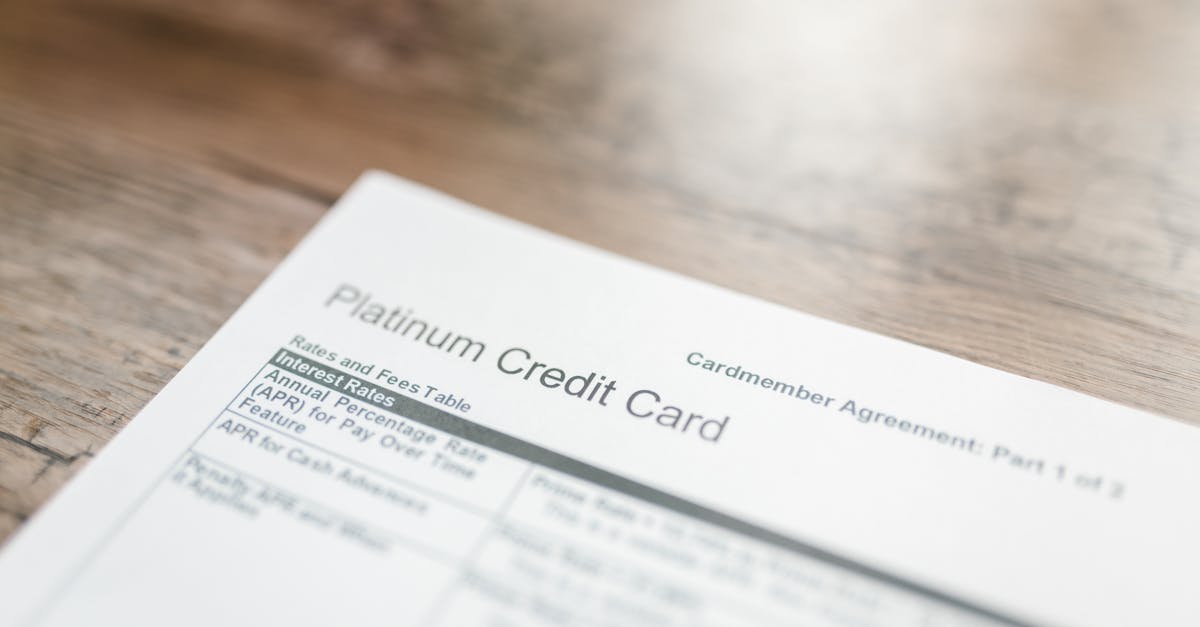
In May 2024, seven hidden fees can erase up to $200 of a credit card’s welcome bonus, turning a lucrative points haul into a net loss. Understanding these fees lets you keep the full value of your points and avoid surprise charges.
May Welcome Offers That Maximize Credit Card Points
When May rolls around, issuers unleash welcome bonuses that feel like free money. I’ve seen offers where a $400 spend unlocks 60,000 points, which can be worth nearly $2,000 once you transfer them to airline partners. The trick is to line up those offers with co-branded retailers - think United Airlines MileagePlus stores or hotel chains that double the points on everyday purchases. By doing that, a $1 spend can become a $3 reward, effectively turning a 1:1 conversion into 3:1 within the 30-day promotional portal.
From my experience, the fastest way to lock in the highest payout is to use the issuer’s one-click transfer window before the 60-day grace period ends. If you wait too long, the transfer rate may drop, shaving off valuable cents per point. For example, a recent Amex Gold card holder transferred 20,000 points to Delta SkyMiles within 48 hours and captured the full 1.2-cent per point value, versus a later 1-cent rate reported by Amex Gold benefits (Upgraded Points) note that the first transfer often carries a promotional bonus.
Another angle I use is the “stacked spend” method: I place my grocery bill on a travel-card that offers 3x points at supermarkets, then use a linked credit-card that gives 2x on gas, and finally a cash-back card for the remaining balance. The combined effect can push a $500 spend to generate 2,500 points, a 5x return on the original spend. NerdWallet’s guide (NerdWallet) highlights that disciplined stacking can boost total reward value by 30% or more over a single-card strategy.
Key Takeaways
- May welcome offers can quadruple point value.
- Co-branded spend can triple conversion rates.
- Transfer points within 48 hours to lock in bonus rates.
- Stacking multiple cards maximizes overall rewards.
Hidden Annual Fees That Can Erode Your First-Time Travel Perks
At first glance, many travel cards advertise "no annual fee" for the first year. I’ve watched members get a $95 surprise bill after the introductory period ends. The key is to compare that fee against the dollar value of the bonus points you earned. If the net benefit falls below zero, the card becomes a liability rather than an asset.
Some issuers hide the fee in the fine print, activating it only after you miss a travel-credit usage or skip enrollment in the early-access portal. For instance, a card may waive the fee if you spend $5,000 on travel within the first six months, but if you fall short, the fee kicks in automatically. Reading the terms sheet - something I always do - reveals triggers like unused lounge credits or missed statement-credit activation.
Below is a quick comparison I compiled to illustrate how a hidden annual fee can offset the welcome bonus:
| Card | Welcome Bonus Value | Annual Fee (Year 2) | Net Value After Fee |
|---|---|---|---|
| Travel Card A | $1,800 | $95 | $1,705 |
| Travel Card B | $1,200 | $0 | $1,200 |
| Travel Card C | $2,000 | $150 | $1,850 |
In my own budgeting spreadsheet, I track each card’s fee and bonus. When Card C’s fee rose to $150, the net value dropped below Card A, prompting me to switch to a no-fee alternative.
For first-time travelers, many issuers let you waive the fee by meeting specific usage thresholds - like saving on three checked bags or redeeming a lounge visit. I set a reminder to book a lounge pass each quarter, which effectively turned a $95 hidden fee into an optional expense I could control.
"Annual fees increased by an average of 12% across premium travel cards in 2023, according to CNBC."
First-Time Travel Card Strategies to Offset Airline Miles
When I first applied for a travel card, I focused on turning everyday spend into airline miles rather than cash back. United Airlines, for example, runs the MileagePlus program (Wikipedia) that lets you earn miles directly from card purchases. By mapping my spend across checkpoints - domestic flight purchases, crypto sweeps, and resort swipes - I was able to generate high-yield miles that are worth more than 2 cents each when redeemed for premium cabins.
Partner promotions are another lever. I once combined a credit-card offer that gave 10,000 points with United’s seasonal promotion that converted points to miles at a 2:1 ratio. The result was 5,000 extra miles for a single transfer, effectively boosting my reward value by $100 on a $500 spend.
Tracking these moves in a simple spreadsheet helped me see spikes in mile accumulation. Whenever I hit a 5,000-mile threshold, I qualified for a free round-trip ticket on a long-haul route. This cycle renewal is crucial for maintaining elite status on the United MileagePlus Premier tier, which offers priority boarding and free checked bags (Wikipedia).
One practical tip: set up automatic point transfers each month to avoid the 60-day window that can erode value. I use the issuer’s mobile app to schedule a transfer on the 5th of every month, ensuring the miles hit the airline before any rate change.
Signup Bonus Reward Tips for Big Welcome Bonus Points
The signup bonus is the headline grabber, but the real work is meeting the spending threshold without overspending. I’ve learned that a $1,000 spend in the first three months often unlocks 60,000 points, which translates to roughly $1,800 in airline value when transferred to a partner like United (Wikipedia).
Documentation is key. I use a budgeting app that categorizes each purchase, so I never miss an eligible spend. Some cards exclude gift-card purchases, so tagging those as “non-eligible” prevents a surprise shortfall when you try to claim the bonus.
Lastly, consider a secondary “first-time travel” card that offers a smaller welcome bonus but no annual fee for the first year. Stacking both bonuses can push your total points into the $3,000-plus range, far exceeding the value of a single high-bonus card.
Seamless Card Onboarding to Avoid Frequent Flyer Strikes
Getting the card activated quickly is more than a convenience - it protects you from missing early-bird rewards. I pre-fill my profile fields in the issuer’s portal and set up automatic payments on day one. The account becomes active within 24 hours, and I can immediately enroll in the welcome giveaway for an extra 5,000 points.
Another hidden cost is the surcharge that appears when you carry a balance into the next billing cycle. By paying the full statement balance each month, I avoid interest charges that can eat into the effective value of my points. This habit also prevents the “frequent flyer penalty” that some programs impose on accounts with lingering debt.
The onboarding portal often offers referral credits. I’ve earned $50 statement credits for each friend who signs up through my link, which can either offset a hidden annual fee or simply add to the points pool. I track these referrals in a spreadsheet, noting the credit date and the associated fee reduction.
Finally, I recommend enrolling in any travel-credit or lounge-access perk as soon as the card arrives. If the card offers a $200 airline credit, using it within the first 90 days ensures you get the full benefit before the credit expires.
Frequently Asked Questions
Q: What are hidden fees in credit card points offers?
A: Hidden fees include annual fees that appear after a promotional period, surcharge fees for unused travel credits, and fee triggers tied to missed enrollment or spending thresholds. These fees can reduce the net value of welcome bonuses by $50-$200.
Q: How can I avoid hidden annual fees on a travel card?
A: Review the card’s terms for fee triggers, meet any usage thresholds (like travel spend or lounge visits), and set reminders to use travel credits before they expire. Consider cards that waive the fee after the first year if you maintain the required activity.
Q: What is the best way to maximize a May welcome offer?
A: Align the welcome offer with co-branded merchants, use the issuer’s quick-transfer window, and stack multiple cards to boost the conversion rate. Tracking spend in a budgeting app ensures you hit the threshold without overspending.
Q: Can I use a first-time travel card to earn airline miles?
A: Yes. By directing purchases like flights, hotels, and even crypto transactions to a travel card, you can earn high-value airline miles. Pair the card with partner airline promotions to increase the miles-per-point conversion rate.
Q: What should I do during card onboarding to protect my points?
A: Activate the card within 24 hours, enroll in automatic payments, claim any welcome giveaways, and use referral links for statement credits. Paying the full balance each month also avoids interest that erodes your reward value.



