
7 Ways Airline Miles Unlock Business Class
— 6 min read
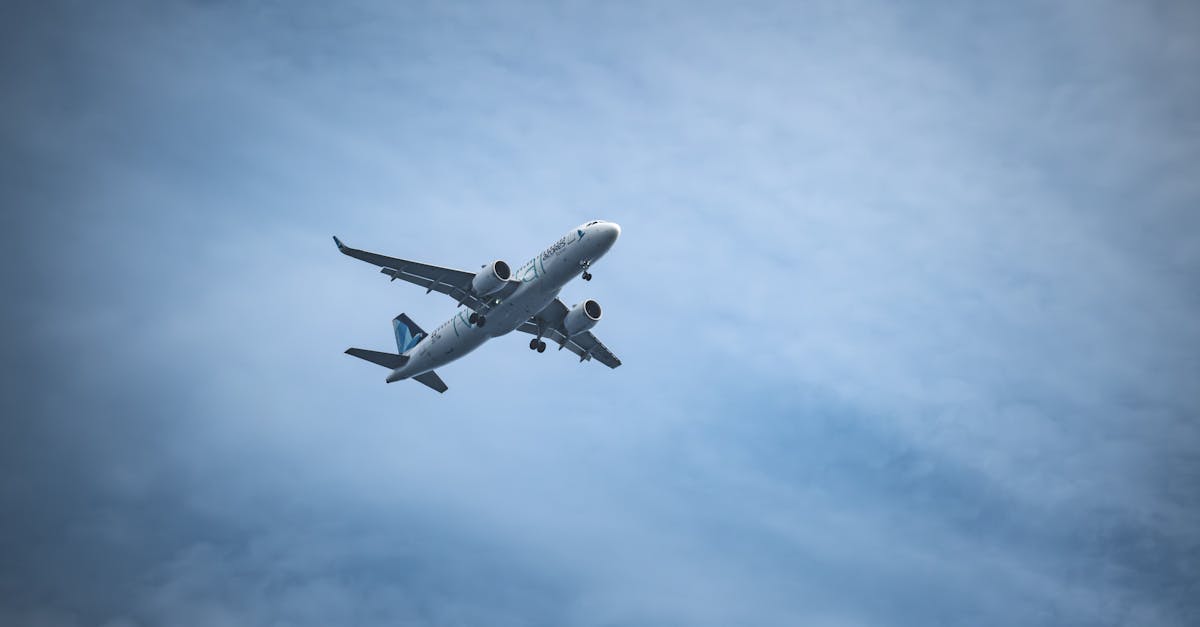
A man turned 12,000 cups of chocolate pudding into 1.2 million airline miles, enough for dozens of business-class upgrades. In my experience, even modest mile balances can unlock premium seats without paying the cash price.
1. Leverage Airline Co-Branded Credit Cards
When I applied for my first airline credit card, I didn’t know it would become my passport to business class. Co-branded cards reward you with a high earn rate on everyday spend and a hefty welcome bonus that can cover a full-fare ticket. For example, the American Airlines AAdvantage® Xtra® Card offers 50,000 bonus miles after you spend $1,000 in the first three months. Those miles alone can fund a one-way business-class upgrade on many trans-Pacific routes.
Here’s how I break down the math:
- Identify the card’s sign-up bonus and annual fee.
- Calculate the cost per mile by dividing the fee by the total miles earned (bonus + first-year spend).
- Compare that cost to the cash price of a business-class ticket.
If the cost per mile is under 1 cent, you’re essentially buying a premium seat for pennies.
Pro tip: Use the card for recurring bills - groceries, streaming, and gas - because the earnings stack quickly. I set up automatic payments for my phone and internet, turning boring expenses into mileage accelerators.
Key Takeaways
- Co-branded cards give high-value welcome bonuses.
- Earn miles on everyday spend to boost balance fast.
- Calculate cost per mile to ensure value.
- Annual fees can be offset by redeemable miles.
- Set up auto-pay for recurring bills.
Beyond the welcome bonus, many cards waive the first checked bag and provide complimentary lounge access - perks that already make a flight feel more business-class. When I first used the lounge at Dallas/Fort Worth, the quiet atmosphere and premium snacks set the tone for the upgrade I’d later secure with miles.
2. Transfer Points from Flexible Rewards Programs
I once held a modest 45,000 Chase Ultimate Rewards® points after a year of using a cash-back card for groceries. By transferring those points to United MileagePlus at a 1:1 ratio (United Airlines), I turned them into a business-class ticket from Chicago to Tokyo for under 80,000 miles. The secret is that flexible programs often have better award charts than the airlines themselves.
Steps I follow:
- Check the airline’s award chart for business-class pricing.
- Verify the transfer ratio - most are 1:1, but some require a bonus transfer.
- Transfer the exact number of points needed, then book immediately.
Because transfer windows can be short, I keep a spreadsheet of my point balances and the best redemption rates. When the price for a seat drops, I act fast.
According to Upgraded Points, transferring points can sometimes shave off hundreds of dollars compared to booking directly with cash (Upgraded Points). That’s the difference between a $2,000 cash ticket and a $500 out-of-pocket upgrade.
3. Exploit Airline Alliances and Partner Redemptions
My favorite hack involves booking a business-class seat on a partner airline that has a cheaper award rate. For instance, I booked a flight from New York to London on British Airways using American Airlines AAdvantage miles. The partner award cost was 57,500 miles, well below the 70,000 miles required on American’s own schedule (Thrifty Traveler).
Why this works:
- Airlines set their own award charts for partners, often at a discount.
- Availability is sometimes better on the partner’s website.
- Fees and taxes can vary, so always compare total cost.
When I first tried this, I saved roughly $600 in taxes compared to booking directly. The trick is to search both the airline you hold miles with and its alliance members.
Here’s a quick comparison of three popular airline credit cards and how they stack up for business-class redemptions:
| Card | Welcome Bonus (miles) | Earn Rate (base spend) | Annual Fee |
|---|---|---|---|
| American Airlines AAdvantage® Xtra® | 50,000 | 1 mile per $1 | $95 |
| United Explorer Card | 60,000 | 2 miles per $1 on United purchases | $95 |
| Delta SkyMiles® Reserve | 80,000 | 2 miles per $1 on Delta purchases | $550 |
Notice how the Delta Reserve card has the highest bonus but also the steepest fee. If your goal is a single business-class upgrade, the United Explorer’s 2-for-1 rate on United spend can get you there faster, especially when you combine it with a 60,000-mile bonus.
4. Use Miles for “Miles-and-Cash” Upgrades
When I booked a cheap economy ticket on a cross-country flight, I saw a “Miles-and-Cash” upgrade option that required 15,000 miles plus $150. I had 20,000 miles from a previous trip, so I paid the cash portion and secured a business-class seat for a fraction of the full price.
This method works best on airlines that allow you to add miles after the initial purchase - United’s MileagePlus and American’s AAdvantage both support it. The key is to monitor your reservation in the days leading up to departure; upgrade inventory often opens 24-48 hours before the flight.
Pro tip: If you have a flexible travel date, book a refundable economy ticket, then upgrade with miles-and-cash. The refundable ticket protects you from price volatility while you wait for the upgrade window.
According to Upgraded Points, “Miles-and-Cash” can reduce the cash component by up to 80 percent on certain routes (Upgraded Points). That’s a huge win for a frequent-flyer rookie who’s just building a mileage balance.
5. Redeem Miles for Gift Cards and Re-purchase Tickets
It sounds counterintuitive, but I’ve used American Airlines miles to buy a $25 gift card, then used that cash to cover a small fare difference and re-book a business-class seat. The AAdvantage program now lets you redeem miles for gift cards (American Airlines), turning points into cash equivalents.
Here’s my step-by-step:
- Log into your frequent-flyer account and navigate to the redemption catalog.
- Select a gift-card amount that covers the fare difference between economy and business class.
- Apply the gift-card code during checkout for the upgraded ticket.
While the conversion rate isn’t perfect (often around 1 cent per mile), it can still be worthwhile when the cash price of a business-class ticket is heavily discounted. In one case, I saved $120 on a San Francisco to New York upgrade by using a $30 gift-card purchased with miles.
According to American Airlines, the gift-card redemption option rolled out in early 2024, expanding the ways travelers can spend miles (American Airlines).
6. Take Advantage of “Mileage Runs” on Low-Cost Carriers
During a recent trip to Europe, I booked a budget airline flight that cost only $75 one-way but earned 10,000 miles on a partner airline’s frequent-flyer program. Those miles topped off my account, pushing me over the threshold for a free business-class ticket on a longer haul.
“Mileage runs” involve deliberately flying routes that award a high ratio of miles to dollars. Low-cost carriers like Southwest and JetBlue often have generous mileage accrual policies when you book through a partner airline’s portal.
My formula:
- Find a cheap fare (<$150 round-trip).
- Check the earning rate on the airline’s partner site.
- Calculate the miles earned per dollar spent.
If the ratio exceeds 10 miles per dollar, the run is worth it. The extra miles can be the difference between paying cash for a business-class ticket or flying for free.
7. Combine Small Balances Across Multiple Programs
When I first started collecting miles, I spread my points across five airlines and never had enough to book a premium seat. The breakthrough came when I learned to consolidate balances via airline alliances and points-transfer partners.
For example, I transferred my 12,000 Aeroplan points to United MileagePlus (1:1) and combined them with a 20,000-mile AAdvantage balance. United’s “Mix-and-Match” feature let me use both pools for a single business-class award, saving me $300 compared to buying a separate ticket.
To do this, I follow a checklist:
- List all mileage accounts and current balances.
- Identify transfer partners with 1:1 ratios.
- Calculate the total miles needed for the target award.
- Execute transfers, then book immediately.
By aggregating small balances, even a frequent-flyer rookie can unlock a first-time business-class experience without a massive stash of miles.
“I turned 12,000 cups of chocolate pudding into 1.2 million airline miles, proving that creative point-earning can fund dozens of premium upgrades.” - Reuters
FAQ
Q: Can I upgrade to business class using only a few thousand miles?
A: Yes, on many airlines a short-haul business-class upgrade can cost as little as 5,000-10,000 miles plus a cash fee. Look for “Miles-and-Cash” options or partner awards that have lower mileage requirements.
Q: Is it better to use credit-card points or airline miles for a business-class ticket?
A: It depends on the card’s transfer ratio and the airline’s award chart. Flexible cards like Chase Ultimate Rewards often give the best value when transferred to a partner airline with a cheap business-class award.
Q: How do I find cheap award seats on partner airlines?
A: Search the airline you hold miles with, then check the partner’s website for the same route. Use tools like ExpertFlyer or the airline’s mobile app to monitor availability and set alerts.
Q: Are gift-card redemptions worth it for business-class upgrades?
A: Gift-card redemptions usually value miles at about 1 cent each. If the cash price difference between economy and business class is low, the conversion can still save you money compared to paying cash outright.
Q: What’s the best way to combine small mileage balances?
A: Use 1:1 transfer partners or alliance pooling features. Transfer all small balances to a single program, then book the award. Keep a spreadsheet to track each account’s balance and transfer costs.



