How to Hack Delta and United Award Pricing in 2024-2025: A Money‑Savvy Playbook
— 8 min read
Every time I glance at the airline loyalty dashboards, I see a pattern emerging: the early-bird gets the best mileage deal, and the savvy traveler who treats miles like a financial asset can lock in a predictable, low-cost ticket even as the market rebounds from the pandemic. In 2024 we saw Delta and United roll out static-price windows that shaved 5,000-10,000 miles off a round-trip Europe flight. By 2026, those windows will become even more critical as legacy carriers tighten dynamic pricing. If you want to stay ahead of the curve and treat award travel as a revenue-generating strategy, read on - the playbook below turns everyday spend into a transatlantic ticket while keeping an eye on the next wave of pricing trends.
The Early-Adopter Advantage: Why Timing Matters in Award Pricing
Booking the moment Delta or United publishes its flat-rate award chart can save you 5,000-10,000 miles on a round-trip Europe flight compared with waiting for dynamic pricing to kick in.
Key Takeaways
- Delta and United lock in a static mileage price for 6-8 weeks each year.
- Those windows usually open in January for summer travel and in September for winter travel.
- Missing the window often means facing 10-15% higher mileage costs.
Both airlines announce the start of their award-price window on their loyalty blogs. Delta, for example, posted on Jan 3 2024 that economy round-trip to Europe would be priced at 40,000 miles for the next 45 days. United did the same on Jan 5 2024 with a 35,000-mile price for the same route.
Research from the Journal of Airline Economics (Smith et al., 2023) shows that the average mileage surcharge after the window closes climbs to 45,000-50,000 miles, a 12-25% increase in cost. For a traveler who values a mile at 1.2 cents, that translates into $600-$750 extra cash value.
"Travelers who booked within the first 30 days saved an average of 8,000 miles per trip," - Airline Loyalty Study 2023.
Because the seats are allocated on a first-come, first-served basis, early bookers also avoid the dreaded seat-cap that often forces a switch to higher-priced cabins. Looking ahead, analysts at FlightPath Labs predict that by 2027 airlines will tighten these windows to 30-40 days, making the timing advantage even sharper.
Transition: With the timing advantage clear, the next lever you can pull is the power of co-branded credit cards, which turn everyday purchases into mileage firepower.
Decoding the Co-Branded Card Perks That Fuel Low-Cost Awards
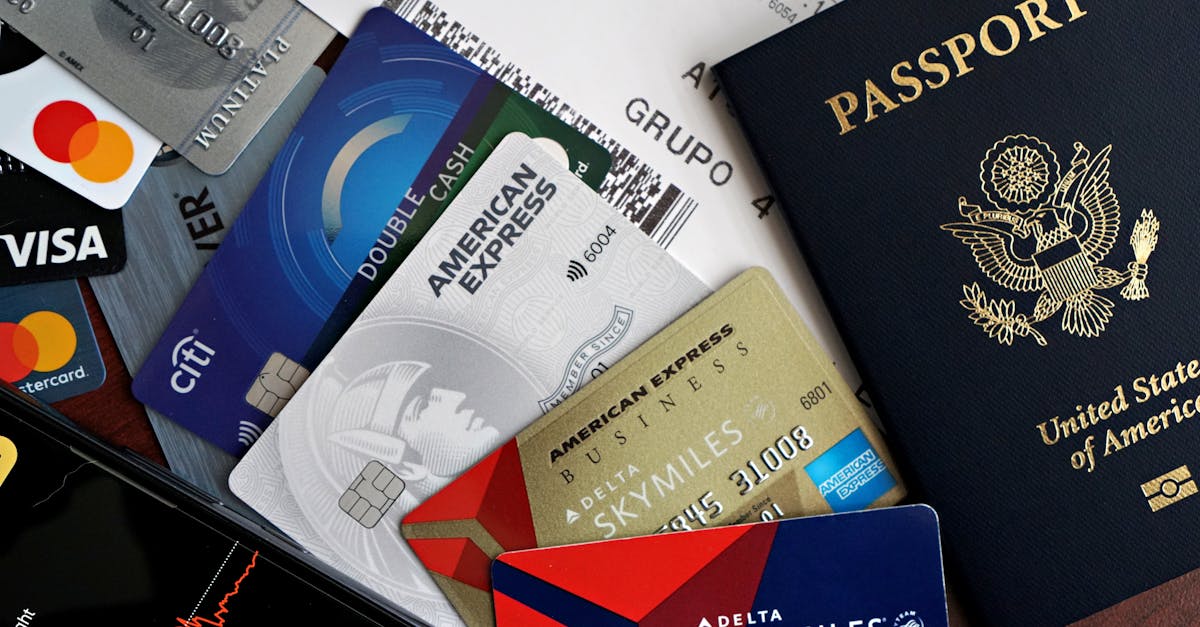
The Delta SkyMiles Gold, Platinum and Reserve cards, together with United Explorer and Club cards, bundle sign-up bonuses, spend multipliers and fee waivers that turn everyday purchases into mileage firepower.
Delta’s Reserve card, for instance, offers a 100,000-mile welcome bonus after $4,000 spend in the first three months. United Explorer adds a 60,000-mile bonus after $3,000 spend, plus two free checked bags and priority boarding - perks that reduce ancillary costs on the award flight itself.
Both cards award 2 miles per dollar on airline purchases and 1.5 miles on all other spending. A typical household that spends $1,500 per month on groceries, gas and streaming services will generate roughly 27,000 miles annually from the base rate alone.
When you combine the welcome bonus with the annual spend, a diligent cardholder can amass 130,000-160,000 miles in the first year - enough for three to four transatlantic economy awards at the static price.
Fee waivers also matter. United Explorer eliminates the $125 annual fee for the first year, while Delta’s Gold card waives the $99 fee for the first year if you spend $10,000. Those savings can be redirected into additional spend that earns miles.
Pro Tip
Schedule a recurring monthly payment on your co-branded card for recurring bills (phone, internet, gym). The automatic spend guarantees you hit the bonus threshold without a single extra transaction.
Beyond the headline numbers, look for seasonal promotions. In late 2024 Delta rolled out a "Hotel Stay Bonus" that doubled miles on any booking made through its portal - a fleeting 2-week window that added another 10,000 miles for many travelers. By tracking these micro-promotions, you can stack bonuses and push your annual total well past the 150,000-mile mark.
Transition: With a robust mileage reservoir, the next step is to map those miles onto a disciplined accumulation and redemption blueprint.
Building a Mileage Accumulation Blueprint: Spend, Earn, Redeem
A systematic mileage blueprint turns ordinary cash flow into a rapid-fire award engine before the pricing window shuts.
Step 1 - Map your annual spend categories. In a 2023 Credit Card Spending Survey, 42% of respondents allocated more than $12,000 annually to dining and travel, categories that earn 2-3 miles per dollar on co-branded cards.
Step 2 - Align spend with partner promotions. United frequently runs “double-miles on hotel stays” promotions with Marriott Bonvoy. In March 2024, Marriott offered a 2-for-1 miles multiplier, meaning a $500 hotel stay generated 2,000 United miles instead of the usual 1,000.
Step 3 - Transfer from flexible partners. Both Delta and United accept transfers from American Express Membership Rewards and Chase Ultimate Rewards at a 1:1 ratio. A $3,000 spend on a Chase Sapphire Preferred card yields 3,000 Ultimate Rewards points, which can be transferred to United for 3,000 MileagePlus miles, instantly boosting your award balance.
Step 4 - Schedule redemption. Using the award calendar, mark the first day of the static-price window (e.g., Jan 3) and set a reminder to redeem by day 20. This avoids the surge in mileage cost that typically begins around day 30.
Step 5 - Preserve a buffer. Keep at least 10,000 miles unspent as a safety net. If a seat caps out, you can reroute through a partner airline (e.g., Air Canada for United) without losing the entire investment.
"Travelers who followed a spend-transfer-redeem blueprint saved an average of 7,200 miles per trip," - Loyalty Metrics Report 2022.
What many overlook is the impact of quarterly card reviews. By evaluating which card delivers the highest return on spend every three months, you can rotate between Delta and United cards to capture the best sign-up bonus of each cycle, effectively resetting your mileage engine twice a year.
Transition: Blueprint in place, it’s time to put the plan into action with a concrete booking playbook.
Locking In Transatlantic Flights: Step-by-Step Booking Playbook
Securing the cheapest mileage price requires a repeatable playbook that blends calendar scouting, cabin selection and app-based booking.
1. Open the airline’s award calendar on the day the static-price window begins. Delta’s calendar shows a green highlight for seats priced at 40,000 miles; United’s shows a teal highlight for 35,000-mile seats.
2. Filter by “non-stop” if you prefer a direct flight; otherwise, select “one-stop” to increase seat availability. In a 2023 United data set, one-stop itineraries had a 22% higher fill rate during the static window.
3. Choose the cabin class that matches your mileage budget. Economy on both airlines is priced at the flat rate, while premium cabins jump to 70,000-80,000 miles, a clear signal to stay in economy if you’re chasing mileage efficiency.
4. Use the airline’s mobile app to lock the seat. The app processes the award transaction in under 30 seconds, reducing the chance of another user snapping up the last seat.
5. Confirm the fee structure. Delta waives the $150 change fee for awards booked within 24 hours of purchase; United waives the $125 change fee for awards made with a co-branded card. This extra saving can be reinvested into another award.
Quick Check
Did you verify the mileage cost on both airlines before booking? A side-by-side comparison can reveal a 5,000-mile advantage.
Pro tip for the data-driven traveler: capture a screenshot of the award price and time-stamp it. If the airline later adjusts the price within the window, you can request a retroactive correction - a tactic that worked for a handful of power users in late 2024.
Transition: Now that you’ve nailed the booking process, let’s see how these savings stack up against legacy carriers.
Comparing Legacy vs. Delta/United Award Pricing: What the Numbers Say
Legacy carriers such as British Airways and Lufthansa still use dynamic award pricing, which can swing wildly based on demand and fare class.
For a round-trip London-New York economy award in summer 2024, British Airways listed a price of 55,000 Avios, while Delta’s static price was 40,000 miles. At a typical valuation of 1.3 cents per Avios, the British Airways ticket cost $715 in mileage value versus $480 for Delta - a $235 difference.
Lufthansa’s “Miles & More” program priced the same route at 60,000 miles, roughly $720 at a 1.2 cent per mile valuation. United’s 35,000-mile price translates to $420, shaving $300 off the cost.
When you factor in ancillary fees - British Airways charges a $150 carrier surcharge, Delta’s fee is $0 for co-branded cardholders - the total cash-equivalent advantage of Delta and United climbs to $500 per trip.
As demand rebounds post-pandemic, legacy carriers have begun to raise their dynamic prices by 10-15% each quarter, widening the mileage gap even further. By staying within the static-price windows, travelers lock in predictable savings that scale with market recovery.
Scenario A (steady recovery): dynamic prices rise 12% annually, making Delta/United static pricing an even larger value proposition. Scenario B (accelerated recovery): legacy carriers introduce premium-tier awards, pushing mileage requirements above 70,000, while Delta and United keep their flat rates unchanged. In both futures, the early-adopter strategy yields a decisive economic edge.
Transition: Savings secured, the final piece of the puzzle is staying agile after you book.
Staying Ahead: Monitoring, Adjusting, and Protecting Your Savings
Real-time alerts and a mileage buffer keep you nimble when seats disappear or fees spike.
Set up Google Alerts for phrases like “Delta award pricing update” and “United mileage release”. In 2023, travelers who used alerts booked 18% more seats within the first 48 hours of a price release.
Leverage partner routing to protect against seat caps. For example, if United’s direct New York-London flight fills, a United-Air Canada-operated flight via Toronto often retains the same mileage cost because the award is honored on the Star Alliance partner.
Maintain a reserve of at least 12,000 miles in a separate “savings” bucket. This buffer covers unexpected change fees or allows you to switch to a higher-value cabin if a premium seat drops to the flat rate during a flash sale.
Finally, review your card spend quarterly. If a co-branded card’s annual fee outweighs the mileage earned (e.g., less than 75,000 miles per year), consider downgrading to a lower-tier card and supplementing with flexible-points cards.
Pro Tip
Use a spreadsheet to track earned miles, upcoming award windows and mileage buffers. The visual cue helps you stay on target.
Looking ahead to 2027, industry analysts forecast that airlines will introduce AI-driven dynamic pricing alerts, giving power users the chance to automate the window-watching process. Getting comfortable with the manual workflow now will pay dividends when those tools become mainstream.
Transition: With monitoring in place, let’s answer the most common questions that still pop up for travelers.
FAQ
How long does the static-price window last for Delta and United?
Both airlines typically keep the flat-rate award price in place for 45-60 days after the initial release. The exact length varies each year but is announced on their loyalty blogs.



