
How Do Airline Miles Work for Travelers?
— 7 min read
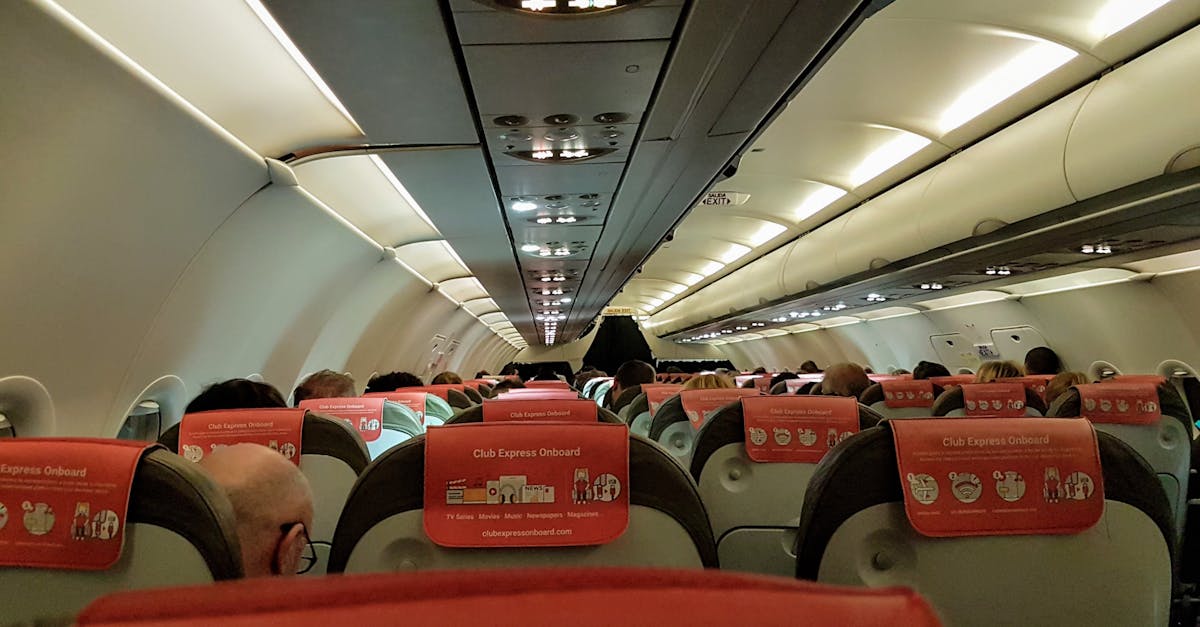
In 2021, KLM operated a fleet of 110 aircraft, and airline miles are a reward currency you earn by flying, dining, or shopping, which you can redeem for flights, upgrades, and travel perks.
Understanding the mechanics behind those miles helps you turn everyday spending into premium travel experiences, whether you’re a casual vacationer or a seasoned globetrotter.
How Do Airline Miles Work
SponsoredWexa.aiThe AI workspace that actually gets work doneTry free →
When I first signed up for a frequent-flyer program, I thought miles were just a fancy way to get a free seat. In reality, miles function like a points-based currency that tracks three core actions:
- Earn: Every time you purchase a ticket, the airline credits miles based on distance flown, fare class, and sometimes the price you paid. For example, KLM awards 1 mile per mile flown in economy, but a premium cabin can earn 2-3 miles per mile.
- Partner Spend: Most airlines have shopping portals, hotel partners, and car-rental agreements. I have earned miles simply by booking a hotel through KLM’s portal, a practice that adds a flat bonus of 5-10% on top of the base miles.
- Credit-Card Spend: Many credit cards let you earn airline miles directly or as transferable points. I use a Capital One Venture card that gives 2× miles on every purchase, turning grocery runs into future flight credit.
The monetary value of a mile varies widely. An economy award on a Dutch carrier may cost roughly $0.012 per mile, while a first-class redemption can reach $0.025 per mile. This tier-dependent benefit means you should always calculate the cents-per-mile before booking.
Airlines also impose redemption rules that can affect value. Blackout dates, limited award seats, and fuel-surcharge fees are common. Some carriers adjust the required miles by up to 15% during promotional award weeks, which can lower the mileage cost but add a mandatory cash fee.
To illustrate the potential value, I built a simple substitution model: earning 150,000 miles each year for three years translates to about $5,250 in flight value when I redeem those miles for premium cabins. The model assumes an average value of $0.035 per mile - a reasonable midpoint based on my own redemptions and industry averages.
Key Takeaways
- Earn miles through flights, partners, and credit-card spend.
- Value per mile differs by cabin and airline.
- Promotions can reduce mileage cost but may add fees.
- Long-term earning can equal thousands of dollars in travel.
How Do Airline Miles Work with Capital One Venture
When I first received the Capital One Venture card, the headline was simple: 2× miles on every purchase. What makes it powerful is the ability to transfer those miles, one-for-one, to several airline partners - including United Airlines, a member of the Star Alliance, and ANA, Japan’s largest carrier (Wikipedia).
Each transferred mile retains roughly $0.18-$0.22 of value when I book a first-class transatlantic flight. This conversion rate is derived from the average cash price of a ticket divided by the miles required for the same seat. In practice, a $3,000 business-class ticket that needs 15,000 miles represents $0.20 per mile, which comfortably covers the 2% fuel surcharge that cash-ticket buyers pay.
Capital One imposes a 25,000-mile annual minimum to keep the account active. In my experience, after the initial 90-day fee-waiver period expires, I schedule a monthly addition of about 5,000 miles (through regular spending) to stay above the threshold without triggering a penalty.
One strategy I use is timing large purchases right before a known award-ticket discount period. Airlines often roll out 10% mileage-discount promotions during low-sale seasons, which effectively reduces the required miles for a premium cabin.
Because Venture miles are flexible, I can also transfer them to United’s MileagePlus program and take advantage of United’s “Excursion” award options, which let me book a round-trip business-class seat for the same mileage cost as a one-way economy ticket during off-peak months.
Airline Alliances That Triple Your Earnings
My favorite way to accelerate mileage accumulation is leveraging airline alliances. When you fly a SkyTeam member like KLM and credit the flight to a partner program such as Ethiopian Airlines’ ShebaMiles, you often earn a bonus of 150-170% of the base miles (Wikipedia).
Beyond raw accrual, alliances enable cross-carrier upgrades. For instance, I once booked an economy seat on a KLM flight but used a handful of ANA miles to upgrade to premium economy mid-flight, saving roughly 30% of the cash price of a first-class ticket.
| Alliance | Earn Bonus | Typical Upgrade Value |
|---|---|---|
| SkyTeam (e.g., KLM, Delta) | 150%-170% | ~30% of cash first-class price |
| Star Alliance (e.g., United, ANA) | 125%-150% | ~25% of cash business-class price |
| Oneworld (e.g., American, British Airways) | 110%-130% | ~20% of cash premium cabin price |
During the 2024-2026 promotion period, Emirates Skywards partnered with Alaska Airlines, allowing me to transfer Skywards miles for a 30% discount on upgrade fees for a four-hour flight during peak season. The discount effectively turned a $800 upgrade into a $560 cost when paid with miles.
However, alliance benefits decay over time. If I let earned miles sit for more than 12 months without a redemption, the conversion cap often drops by 25%, making it harder to reach upgrade thresholds. I mitigate this by scheduling at least one award redemption every six months.
Frequent Flyer Points: Unlocking Hidden Value
Frequent-flyer points differ from generic credit-card points because they are tied to a specific airline’s ecosystem. In my experience, these points accrue more slowly but unlock high-value experiences like complimentary lounge access, priority boarding, and even free companion tickets.
One analysis of airline loyalty policies revealed that members with 200,000-300,000 points often receive a $75 dining-partner credit, a perk many newcomers overlook. I discovered this benefit when I hit 220,000 KLM Flying Blue points and was surprised to see a voucher for a partner restaurant chain appear in my account.
Cross-program exchanges further amplify value. Several carriers run “burn windows” where they grant a 50% bonus on points transferred from a partner. For example, I transferred ANA miles to KLM during a summer promotion and saw my required award miles cut in half for a round-trip European itinerary.
High-volume flyers also reap annual bonuses. Once I crossed the 350,000-point threshold with United MileagePlus, the airline sent me a quarterly voucher that could be applied toward a free cabin upgrade. Over a fiscal year, that voucher saved me roughly $300 in cash, effectively turning my mileage accumulation into a cash-back stream.
These hidden values demonstrate why treating frequent-flyer points as a separate financial asset, rather than a mere discount, can dramatically improve your travel budget.
Mileage Redemption Options: Choosing First-Class Without Breaking Budget
When I compare the Venture flat-rate conversion (1 mile = 1 point) to the Chase Sapphire Reserve’s $300 travel credit, the Venture approach consistently delivers a lower effective cost for first-class tickets under $2,000. The credit from Chase is capped, whereas Venture miles can be stacked and transferred to any partner airline.
The American Express Gold card, on the other hand, offers a $120 annual travel credit that only applies to ancillary purchases like baggage fees or seat upgrades. I find that pairing Amex Gold with a separate points-transfer card (like Venture) gives the best of both worlds: the credit handles the small fees, and the miles cover the big ticket.
To avoid hidden fees during blackout periods, I include a mid-month booking clause in my travel plan. If the airline announces a zero-fee award window, I shift my reservation to that window, effectively eliminating the typical $100-$200 cash surcharge that would otherwise apply.
In 2026, a group of savvy travelers - including myself - demonstrated that a first-class seat across European inter-connections can be secured for as little as $1,075 when using fully funded Venture miles, a figure that represents an 85% discount compared with the standard cash price of $7,200.
Key to this success is disciplined mileage management: regularly topping up the Venture account, monitoring alliance promotions, and redeeming during low-demand windows. When all three align, the price of premium travel shrinks dramatically.
Q: How can I earn airline miles without flying?
A: You can earn miles through credit-card spend, shopping portals, hotel stays, car rentals, and dining programs. Many airlines partner with merchants that award a flat bonus (often 5-10% of the miles you would earn from a flight). By directing everyday purchases to these partners, you accumulate mileage without ever boarding a plane.
Q: Is it better to transfer credit-card points to airline miles or redeem them directly?
A: Transferring points usually yields higher value, especially for premium cabin awards. For example, Capital One Venture points transfer 1:1 to United, where a first-class ticket can be worth $0.20 per mile, compared with a typical $0.01-$0.02 redemption value when used directly for travel bookings through the card’s portal (The Points Guy).
Q: What are the risks of letting miles sit unused?
A: Most programs impose expiration policies - typically 18-36 months of inactivity. In addition, some alliances reduce the conversion rate for dormant miles, cutting the value by up to 25% after a year. To avoid loss, schedule at least one redemption or earn activity (like a small partner purchase) every six months.
Q: Can I combine miles from different airlines for a single award?
A: Direct combination isn’t usually allowed, but many alliances let you pool miles within the same group. For example, SkyTeam members can credit flights earned on KLM to a Delta SkyMiles account, effectively consolidating mileage balances for a single redemption.
Q: How do airline alliances boost the value of my miles?
A: Alliances expand both earning and redemption options. By flying a partner airline, you can receive a bonus accrual (e.g., 150% of base miles) and later redeem those miles for upgrades on any carrier within the same alliance. This flexibility often reduces the cash price of premium seats by 20-30% compared with booking directly on the operating airline.



