
Report Stolen Airline Miles - Police Ignore Your Miles
— 7 min read
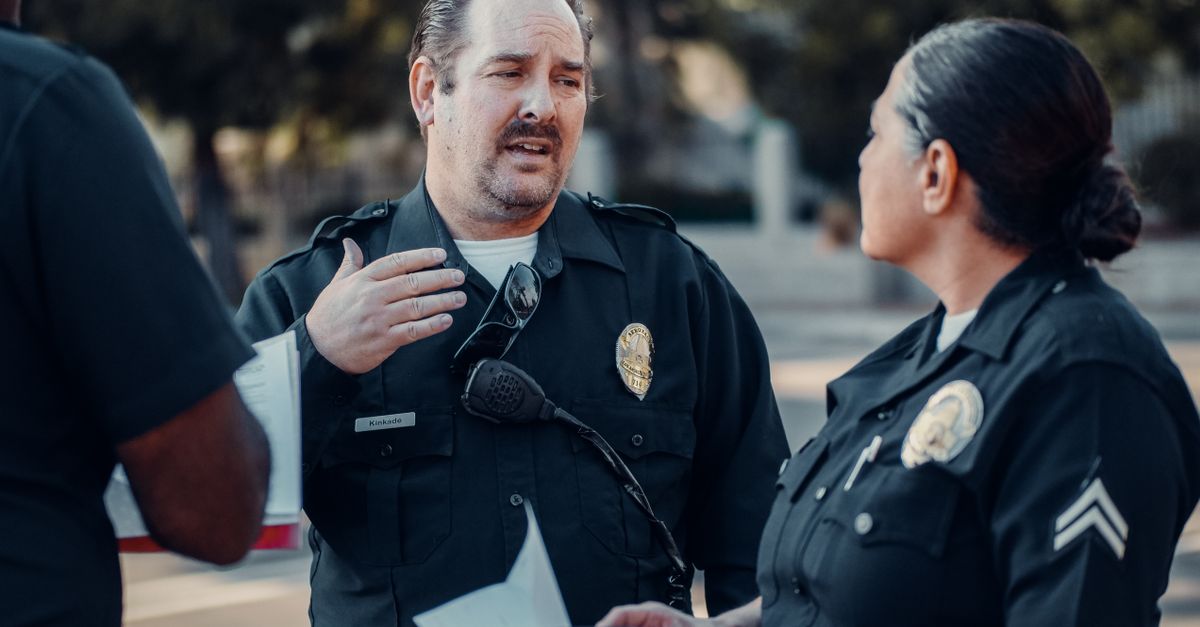
In 2023, over 61 million Americans reported credit card fraud, and the same wave threatens airline miles - so to report stolen miles and force action, you must document the theft, file a police report, and coordinate with your bank and airline’s fraud team.
The Police Log Reveals A Shocking Pattern For Stolen Miles
When you file a police report for stolen airline miles, the paperwork often lands in a generic "identity theft" bucket. That label strips the case of the specialized attention loyalty programs have negotiated with law enforcement, leaving you in a procedural limbo.
Local precincts are typically swamped with physical thefts and violent crimes. Digital asset theft, especially something intangible like frequent-flyer credits, gets relegated to a "civil matter" that the police say the airline should resolve. The result? A case number that never moves beyond the front desk.
The jargon in a typical log entry - "reported loss of intangible credits valued at X" - masks the frantic, multi-channel recovery effort you must now lead. Your first concrete action is to freeze any linked financial accounts. Thieves often pair mileage theft with a cash-out, as we see in the $5,400 withdrawal scenario. By locking down the bank cards linked to your rewards program, you cut off the next avenue for fraud.
Understanding this pattern helps you anticipate the roadblocks. The police may ask for airline-specific case IDs before they open a formal investigation, while the airline will demand a police report number to open its own ticket. Knowing this loop lets you prepare both documents simultaneously, shortening the time you spend chasing paperwork.
"In 2023, more than 61 million Americans experienced credit card fraud," Security.org
From Discovery To Police Report: Your 3 Non-Negotiable First Moves
The moment you spot unauthorized mileage transfers or a suspicious $5,400 withdrawal, treat every screen as evidence. Screenshot the loyalty-program dashboard, bank statement, and any phishing email. The timestamps become the backbone of your case, showing exactly when the fraud occurred.
Before you even dial 911, call your bank. Under Regulation E you have a 60-day window to dispute unauthorized electronic transfers. Ask the bank to place a provisional credit and open a formal dispute case. Provide the bank with the police report number once you have it; that reference forces the institution to treat the incident as criminal rather than a simple billing error.
Simultaneously, call the airline’s dedicated fraud line - most major carriers have a separate phone line for security issues. Request an immediate freeze on your account and a change of all passwords and security questions. Thieves exploit the lag between detection and account lock; a freeze stops them from booking premium cabins or transferring miles to partner airlines.
Document every call: note the agent’s name, time, and a brief summary of the conversation. Save call-recording confirmations if the carrier offers them. This audit trail proves you acted swiftly, a point that will matter if the bank or police later question your diligence.
Finally, file the police report online or in person. Many jurisdictions now have digital portals that let you upload screenshots and PDFs directly. Ask the officer for a copy of the incident report number; you’ll need it for both the airline and your bank.
- Screenshot every piece of evidence immediately.
- Call your bank within 24 hours to dispute the transaction.
- Freeze the loyalty account by contacting the airline’s fraud line.
- Record agent names, timestamps, and reference numbers.
Navigating The Black Hole Between Police And Airline Security
Most victims hit a bureaucratic wall where the police demand a case number from the airline, while the airline insists on a police report number. The cure is to provide both parties with proof that you have reached out to the other side.
Start by demanding escalation within the airline. Ask to speak with a fraud specialist, not the generic customer-service rep. These specialists have the authority to open an internal ticket - often labeled as a "Security Ticket" - that carries more weight than a standard complaint.
When you speak to the specialist, request a written ticket number and the name of the investigator handling your case. Email that information back to the police department, attaching the ticket screenshot. This cross-referencing forces each side to acknowledge the other’s involvement.
Submit all compiled evidence to the police through their online portal: screenshots, bank dispute letters, call logs, and the airline’s ticket confirmation. Ask the officer to generate an official Incident Report Number. That number becomes the keystone document that compels both institutions to treat your claim as an active investigation rather than a footnote.
Follow up relentlessly. Call the police desk every 48 hours to confirm the case is still open, and email the airline’s fraud team with a concise status update. Persistence signals that you will not let the case fade into the background, prompting faster internal action.
Key Takeaways
- Police often label stolen miles as generic identity theft.
- Airlines need a police report number to start their investigation.
- Provide both parties with cross-referenced case IDs.
- Escalate to a dedicated fraud specialist, not regular support.
- Document every interaction for future leverage.
Why Airline Alliances Make Your Stolen Miles Harder To Track
Thieves exploit the web of airline alliances - oneworld, SkyTeam, Star Alliance - to scatter your miles across multiple loyalty programs. Each partner maintains its own ledger, and reconciliation between them can take weeks, leaving a gap that fraudsters use to their advantage.
When miles move from your home carrier to a partner, the original airline’s system shows only a transfer request, not the final destination. The partner airline then credits the miles to a new account, often with a different member number. This fragmentation breaks the audit trail, making it difficult for a single airline to reverse the entire theft.
Proactively request a "partner trace" from your home airline’s security team. This formal request compels the airline to contact every alliance member involved and pull transaction logs. It’s a time-consuming step, but without it, the miles sit locked in another carrier’s database, out of reach for any restitution.
In many cases, the $5,400 cash withdrawal you see is linked to the sale of stolen miles on gray-market sites. Those sites list the exact flight itineraries or mileage transfers used to purchase the miles. Provide those booking references to the police; they can trace the monetary flow from the airline’s redemption system to the buyer’s payment method.
Understanding alliance dynamics empowers you to demand a coordinated investigation rather than waiting for each carrier to act independently. The more pressure you apply across the network, the faster the trail is reassembled and the better your chances of full recovery.
The Proven Path To Recovering Your Money And Miles
The first leg of recovery focuses on the $5,400 bank withdrawal. Draft a formal dispute letter that cites the police incident report number and the airline’s fraud ticket. Send it via certified mail to your bank’s dispute department. Under Regulation E, the bank must issue a provisional credit within ten business days while it investigates.
Simultaneously, press the airline for a written commitment to restore your miles. Ask for a “Restoration Agreement” that outlines the number of miles to be reinstated, the timeline, and the signature of a senior fraud manager. This document is your leverage if the airline later backtracks.
Maintain a 72-hour follow-up rhythm with both the police detective (if one is assigned) and the airline’s security team. Use a simple spreadsheet to track dates, contacts, and outcomes. If either side stalls beyond two weeks, escalate: file a complaint with the Federal Trade Commission or the Consumer Financial Protection Bureau, attaching all evidence.
Finally, protect your future accounts. Switch to two-factor authentication for both your bank and airline logins, enable transaction alerts, and consider a credit-freeze on your Social Security number. The recovery process is arduous, but each layer of defense reduces the likelihood of a repeat breach.
By following this structured approach - document, dispute, freeze, cross-reference, and persist - you turn a chaotic theft into a manageable case that forces institutions to act. The result is not just reclaimed miles and money, but a roadmap you can share with anyone facing the same digital robbery.
Q: How quickly should I freeze my airline account after noticing theft?
A: Freeze the account immediately - ideally within the same hour you notice the unauthorized activity. Prompt action prevents thieves from booking premium cabins or transferring miles to partner programs.
Q: What evidence is most compelling for police and airlines?
A: Timestamped screenshots of your loyalty-program dashboard, bank statements showing the $5,400 withdrawal, phishing emails, and any call logs or ticket numbers from the airline’s fraud department. These create an airtight audit trail.
Q: Can I recover miles that were transferred to a partner airline?
A: Yes, but you must request a "partner trace" from your home airline. The trace forces all alliance members to share transaction logs, allowing you to pinpoint and reverse the cross-airline transfer.
Q: What if the police say the case is a civil matter?
A: Provide the police with the airline’s fraud ticket number and request a formal incident report. This documentation can shift the case from a civil to a criminal investigation, prompting law-enforcement resources.
Q: How do I ensure my bank follows Regulation E?
A: Submit a written dispute referencing the police report number and the airline’s fraud ticket. Cite Regulation E and request a provisional credit within ten business days. If the bank delays, file a complaint with the CFPB.
" }
Frequently Asked Questions
QWhat is the key insight about the police log reveals a shocking pattern for stolen miles?
AA police report for stolen airline miles often classifies the crime generically as 'identity theft' or 'unauthorized access,' failing to trigger specialized investigative protocols that major loyalty programs have with law enforcement, leaving victims in procedural limbo.. Local precincts, overwhelmed with physical theft and violent crime, notoriously deprio
QWhat is the key insight about from discovery to police report: your 3 non-negotiable first moves?
AThe moment you see unauthorized mileage transfers or a suspicious $5,400 withdrawal, you must screenshot everything—your loyalty account activity, bank statements, and any phishing emails—as this timestamped evidence will form the cornerstone of your fraud case with the airline and police.. Before you even call the police, you are legally obligated to immedi
QWhat is the key insight about navigating the black hole between police and airline security?
AYou will likely hit a wall where the police demand a case number from the airline's investigation, and the airline's fraud department insists on a formal police report number, a bureaucratic standoff you break by providing both parties with documented proof of your contact with the other.. Escalate within the airline loyalty program by demanding to speak wit
QWhy Airline Alliances Make Your Stolen Miles Harder To Track?
AWhen thieves steal your frequent flyer miles, they often immediately transfer them across airline alliances like oneworld or SkyTeam to partner carriers, fracturing the audit trail across multiple loyalty programs and complicating a single airline's ability to fully reverse the theft.. This cross-alliance movement exploits a slow reconciliation process betwe
QWhat is the key insight about the proven path to recovering your money and miles?
ATo recover the stolen $5,400, you must formally dispute the transaction in writing with your bank, citing the police report number and the airline's fraud case ticket, which creates a legally binding paper trail that increases pressure on the bank to issue a provisional credit within 10 business days.. Full mileage restoration is not automatic; you must secu


